«Syria was a symbol of Russia’s desire to return to superpower status, a perch in the Middle East that even Putin’s Soviet predecessors never achieved. It’s hard to overestimate the value of such a position—close to the West’s energy resources and important waterways—to any Russian government, past or present. In 1973, the Soviets tried to jump into the region when they invited the United States to join them in putting Soviet and American troops between Israel and Egypt during the Yom Kippur War. The White House rejected the proposal, and the Kremlin then said that it would go in with or without the United States. The Nixon administration’s response was to order U.S. forces to raise their global nuclear-alert status. The Soviets got the message.
Some 40 years later, Russian jets were streaking over Middle Eastern skies so regularly that U.S. and Russian military commanders had to keep a line open between them to deconflict their operations.
As Russia’s geopolitical position in Syria has collapsed, Putin’s prestige and credibility have taken a serious hit. Putin has long prided himself on being an ally who never cuts and runs. As my friend Nick Gvosdev, a veteran Russia-watcher who serves as the director of the national-security program at the Foreign Policy Research Institute, told me today: “In the Middle East, Putin has often contrasted the fecklessness of American presidents with his steadfast support to those he views as Russia’s loyal partners. He has marketed this consistency as a selling point as to why he is a better mediator for regional disputes.”
Putin, however, helped seal Assad’s fate when Russia invaded Ukraine, dividing Russian attention and capabilities so badly that when HTS and other rebels launched their offensives, Moscow was unable to offer much help. Now the world has seen Assad chased from his own palace while Putin did nothing, a spectacle that casts doubt both on Putin’s power and on the value of his word.
Putin is also in other jams of his own making. The Russian economy is suffering from sanctions and from the costs of his military adventure in Ukraine. On the ground in Ukraine, his troops are advancing slowly through a meat grinder in a war that was supposed to be over in a week. North Koreans are fighting alongside Russians, and a senior Russian military officer was blown up in the streets of Moscow. The sprawling Russian Federation now looks like a banana republic that needs assistance from Pyongyang’s hermit kingdom and can’t even keep one of its own generals safe in the national capital.»
Tom Nichols, The Atlantic Daily
_________________
O abandono por Putin de Bashar al-Assad, que ainda há pouco tempo parecia inamovível, depois de uma intervenção militar que durou quase uma década na guerra civil que fez muitas centenas de milhares de mortes, parte delas resultantes de armas químicas, foi uma grande derrota para os propósitos imperiais do regime putinesco e mostrou que no final ele é um aliado tão ou mais inconfiável dos que os presidentes americanos a quem ele acusou de o serem.
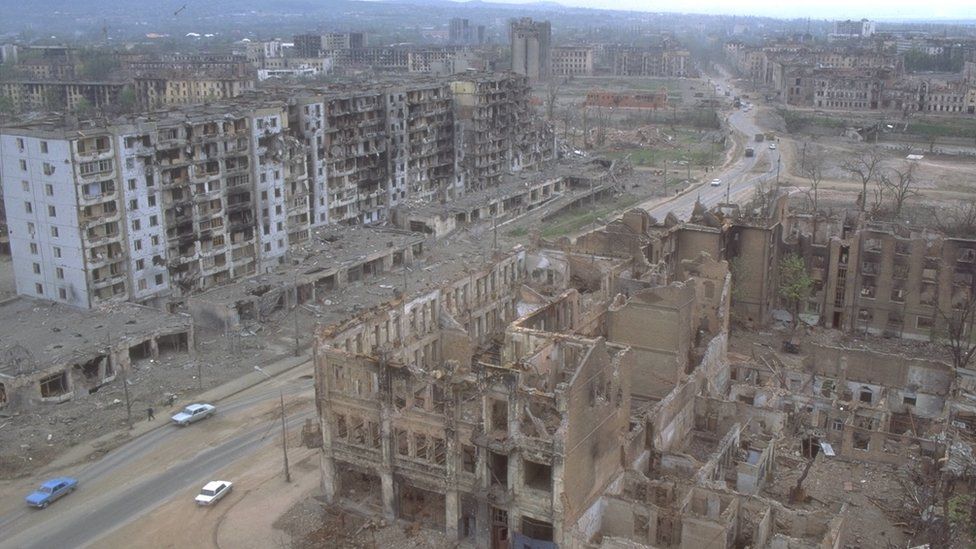
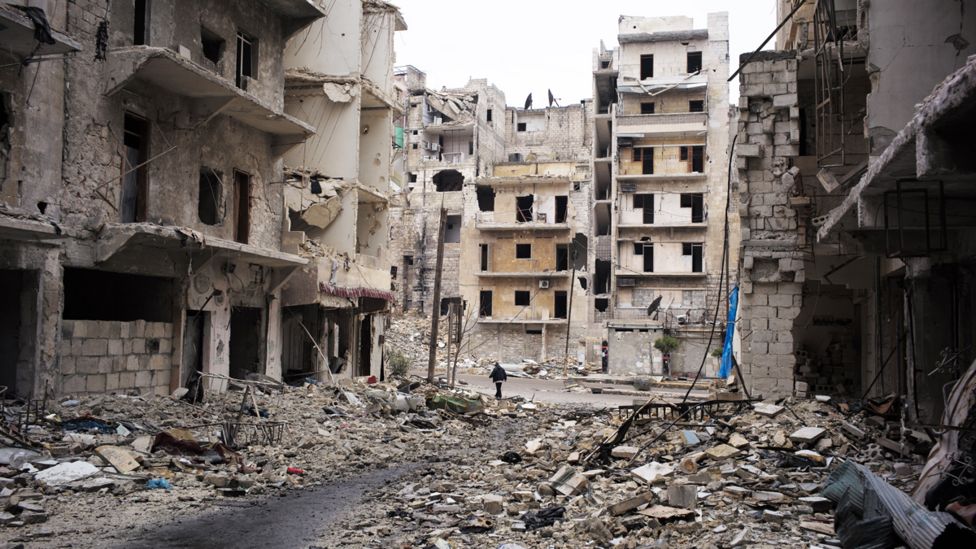
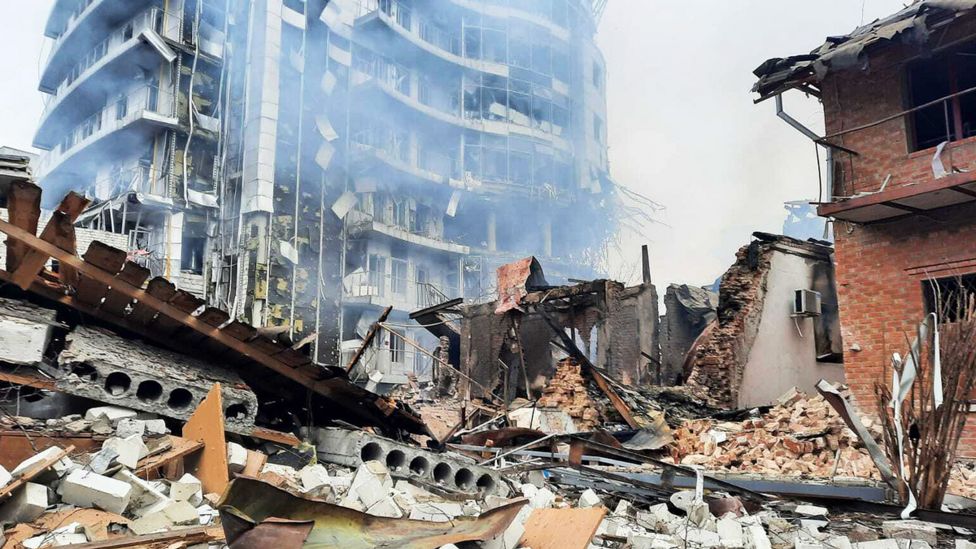
[Ver na série de posts "Denazification and demilitarization according to Tsar Vlad's Grozny model alguns exemplos, incluindo Allepo na Síria, das "operações especiais" de Putin]